 Global Site


Driving Tips
Winter Driving
Winter tyres are designed to exhibit excellent braking power and handling on snow or ice-covered roads. Learning to use the right type of tyres and to drive properly will ensure a safer driving experience in winter.
Importance of Winter Tyres
-
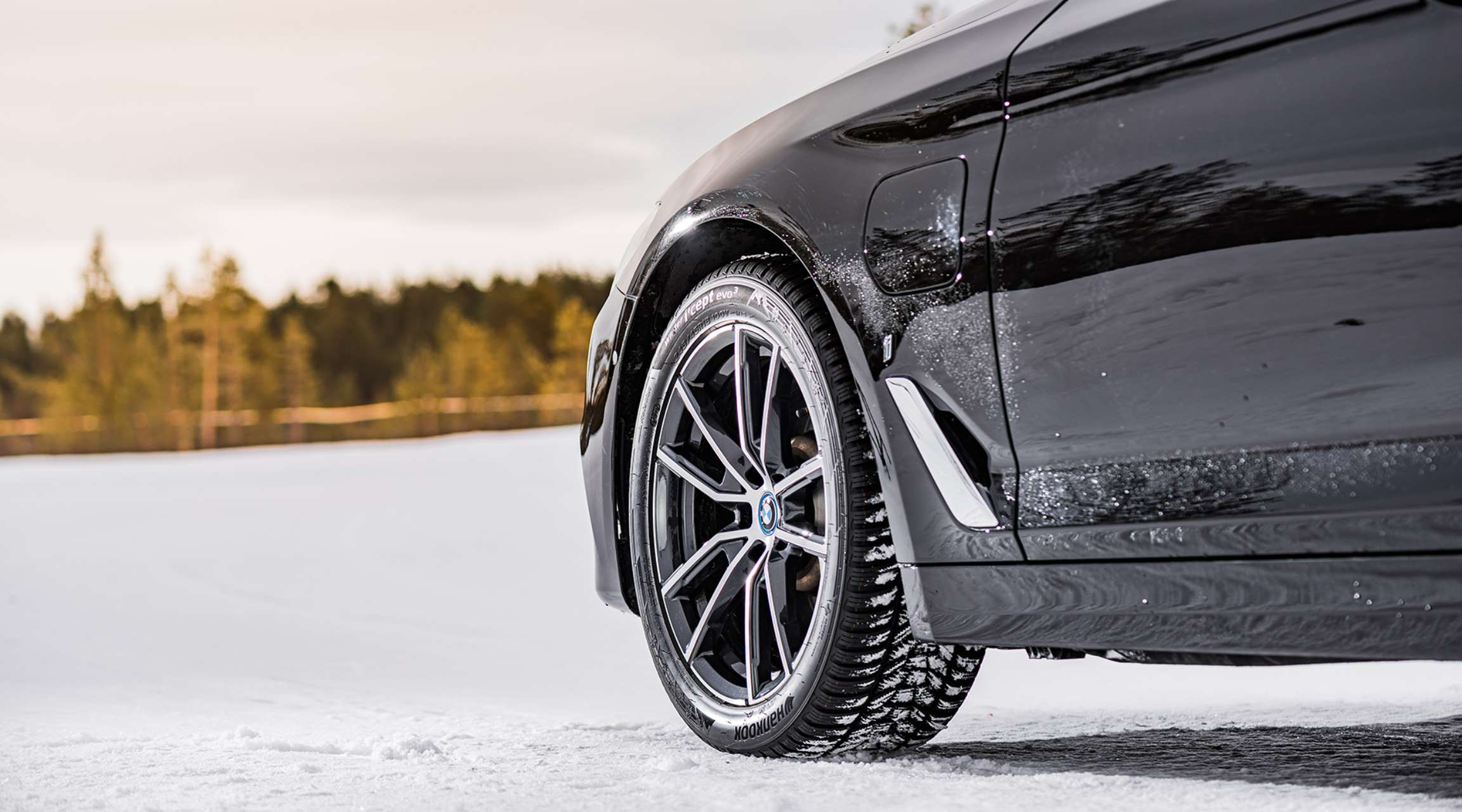
For increased safety be sure to change all four tyres to winter tyres.
Winter tyres are made with a different rubber compound that has better grip in cold weather and an optimised tread width. This difference provides extra grip which prevents the car from slipping on snowy or icy roads. Even cars equipped with four-wheel drive need winter tyres.
Winter Driving Tips for Snowy and Icy roads
-
Before turning a corner be sure to slow down.
-
If you do accelerate or brake abruptly, you may lose control of your vehicle.
-
Use brakes on straight roads.
-
Refrain from switching lanes on roads with a lot of snow.
-
On icy roads you need at least eight times the distance compared to a dry road. Keep your distance from the vehicle in front of you.
Your Guide to Winter Tires in Europe
-
Czech Republic
Winter tyres with M+S markings are mandatory from 1 November to 31 March when winter conditions prevail or where indicated by road signs, with a minimum tread depth of 4 mm. 3PMSF is not required, and studded tyres are prohibited.
-
France
In designated mountainous areas (e.g. Alps, Pyrenees, Massif Central), winter equipment is mandatory from 1 November to 31 March, where indicated by road signs. Vehicles must be fitted with four 3PMSF-marked winter or all-season tyres, or carry snow chains or approved snow socks ready for use. Studded tyres are permitted under specific conditions (seasonal limits, speed limits, mandatory vehicle sticker).
-
Germany
Germany has no fixed winter tyre period. 3PMSF-marked winter tyres are mandatory when winter road conditions prevail (snow, ice, slush, frost).
Studded tyres are prohibited, and snow chains may be required where indicated. -
Italy
Winter tyres (M+S or 3PMSF) are mandatory on specific roads and during periods indicated by road signs, typically between 15 November and 15 April, or snow chains must be carried as an alternative. Studded tyres are permitted for passenger cars only, subject to local and seasonal restrictions.
-
Netherlands
There is no mandatory winter tyre period, and winter tyres are not required by law. The use of snow chains and studded tyres is prohibited.
-
Romania
There is no fixed winter tyre period. Winter tyres with M+S markings are mandatory when roads are covered with snow, ice or slush. Snow chains may be used or required on snow-covered roads where indicated, while studded tyres are prohibited.
-
Spain
There is no nationwide mandatory winter tyre period. Winter tyres (M+S or 3PMSF) or snow chains may be required on certain roads when ordered by authorities or indicated by road signs, typically in mountainous areas. Studded tyres are generally prohibited, and chains are subject to a maximum speed of 50km/h where used.
-
Sweden
Winter tyres are mandatory from 1 December to 31 March when winter road conditions prevail. Approved winter tyres (3PMSF) or studded tyres are permitted, while M+S only tyres have limited acceptance. Studded tyres are allowed during the winter season, subject to local restrictions.
-
United Kingdom
There is no mandatory winter tyre period, and winter tyres (M+S or 3PMSF) are not required by law. Snow chains or studded tyres may be used only in snowy or icy conditions, provided they do not damage the road surface.
-
Hungary
There is no mandatory winter tyre period, and winter tyres (M+S or 3PMSF) are not required by law. Snow chains may be mandatory on certain roads when indicated by road signs, while studded tyres are prohibited on public roads.
-
Poland
There is no mandatory winter tyre period, and winter tyres (M+S or 3PMSF) are not required by law but recommended in winter conditions. Snow chains may be used or required on snowy or icy roads where indicated, while studded tyres are strictly prohibited.
-
※ This information is for reference only and may not reflect the latest local laws. Please verify current regulations with local authorities.