 Global Site


What Is the Difference Between EV Tires and Regular Tires?
From the outside, an EV tire and a regular tire can look much the same. But electric vehicles place different demands on their tires. An EV’s battery can make it heavier than a comparable internal combustion engine (ICE) vehicle, electric motors deliver immediate torque, and a quieter powertrain can make tire and road noise more noticeable inside the cabin.
EV-specific tires are engineered with these characteristics in mind, with technologies designed to support load capacity, energy efficiency, tread life and a quieter ride.

Key Takeaway
EV-specific tires are designed to address certain characteristics of electric vehicles, such as vehicle weight, immediate torque, noise and energy efficiency.
Regular tires can also be used on an electric vehicle as long as they meet the specifications required by the vehicle manufacturer. However, a tire that has not been optimized for EV use may perform differently in areas such as driving range, cabin noise, and tread wear.
How Are EV Tires Different?
| Key consideration | EV-specific tire | Regular tire |
|---|---|---|
 Vehicle weight & load Vehicle weight & load
|
Designed to support the higher weight and load demands of many EVs | Selected to meet the vehicle's specified load requirements |
 Rolling resistance Rolling resistance
|
Designed to support energy efficiency and driving range through low rolling resistance | Performance varies by tire design and compound |
 Tread wear Tread wear
|
Designed to address wear demands associated with EV weight and immediate torque | Designed according to the vehicle's weight and power characteristics |
 Road noise Road noise
|
May incorporate technologies to help reduce tire cavity noise and road noise | Noise performance varies by tire design |
 Ride comfort Ride comfort
|
Can be optimized to help absorb road impacts and support ride comfort | Comfort depends on tire construction, pressure and vehicle characteristics |
 Grip & handling Grip & handling
|
Designed to balance grip, handling, and braking performance for EV-related characteristics | Performance varies by tire design and intended use |
Note: Neither label alone determines tire suitability. Features and performance vary by tire model and size. Always follow the vehicle manufacturer's specifications.
Why EV Tires Are Built Differently
Electric vehicles place several distinct demands on their tires, including greater vehicle weight, immediate torque, and a quieter powertrain that makes tire and road noise more noticeable.
EV-specific tires are engineered to address these characteristics, with technologies designed to balance load-carrying capacity, energy efficiency, noise reduction, and tread life.
Regular tires can also be used if they meet the vehicle manufacturer's specifications, but because they may not be optimized for the specific demands of an EV, they may perform differently in areas such as tread wear, driving range, and cabin noise.
Here are three key differences to consider.
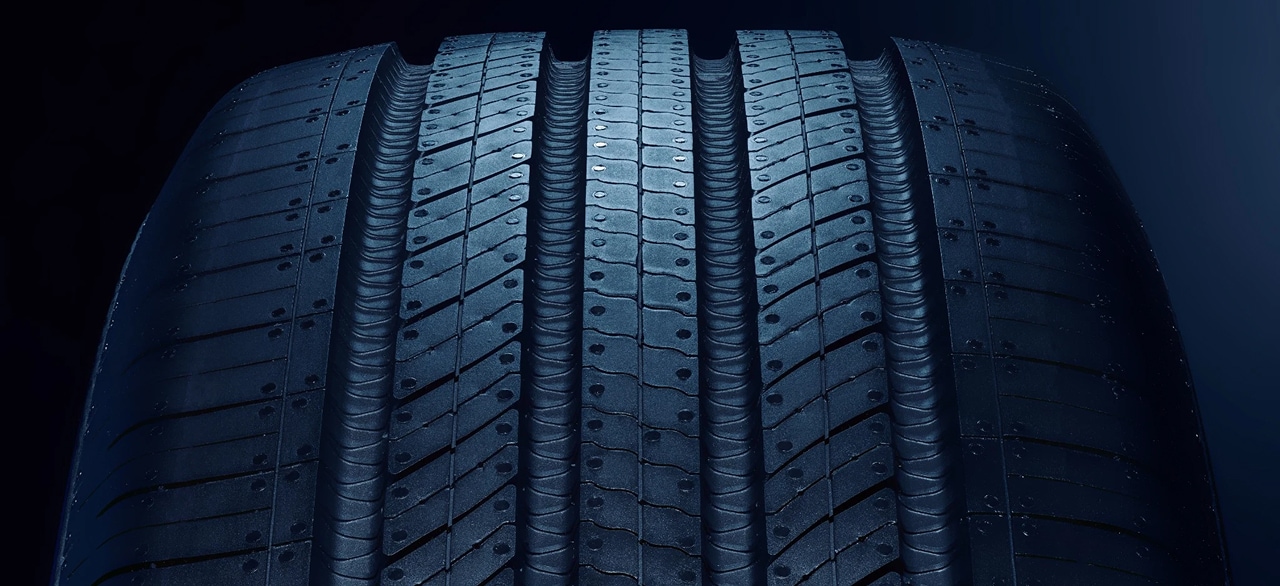
- 1 Tread pattern tuned to lower road noise
- 2 Reinforced sidewall carries EV battery weight
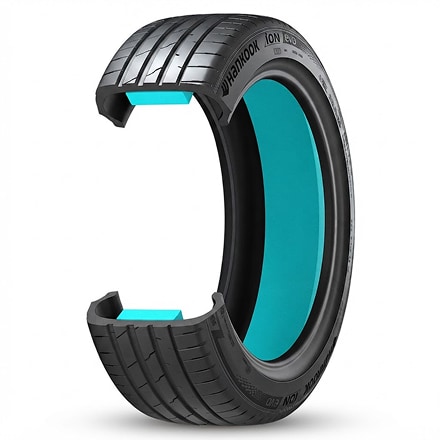
- 3 Sound-absorbing foam quiets the cabin
01
Vehicle Weight and Load-Carrying Capacity
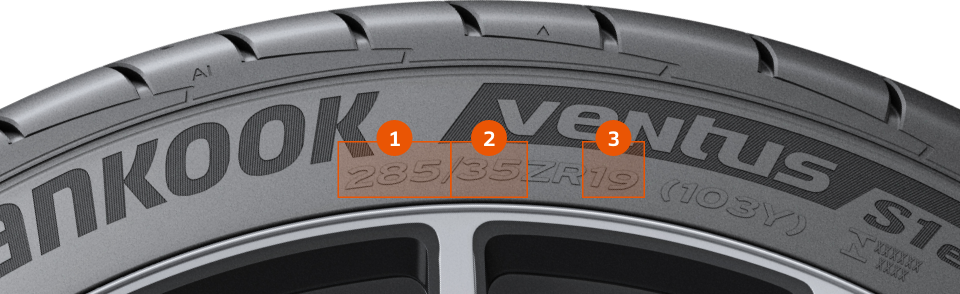
Because an EV’s battery can make it heavier than a comparable ICE vehicle, it may require tires with greater load-carrying capacity. The number to check is the load index, which indicates the maximum load each tire can carry. Your vehicle's recommended tire specifications can be found on the driver's-side door jamb. Never choose a tire with a load index below the vehicle manufacturer's specification. Some electric vehicles also require XL (Extra Load) or HL (High Load) tires because of their weight and performance requirements. If your vehicle specifies XL or HL tires, choose a replacement tire that meets the required specification. Battery weight can increase the load placed on EV tires. Always follow the vehicle manufacturer's recommended tire size and load rating.
The Detail
In the United States, tire selection and vehicle load requirements are regulated under federal motor vehicle safety standards.
Source NHTSA TireWise 49 CFR §571.110. Hankook Tire - “iON - Why Are EV Tires Different from Regular Tires?” (YouTube)
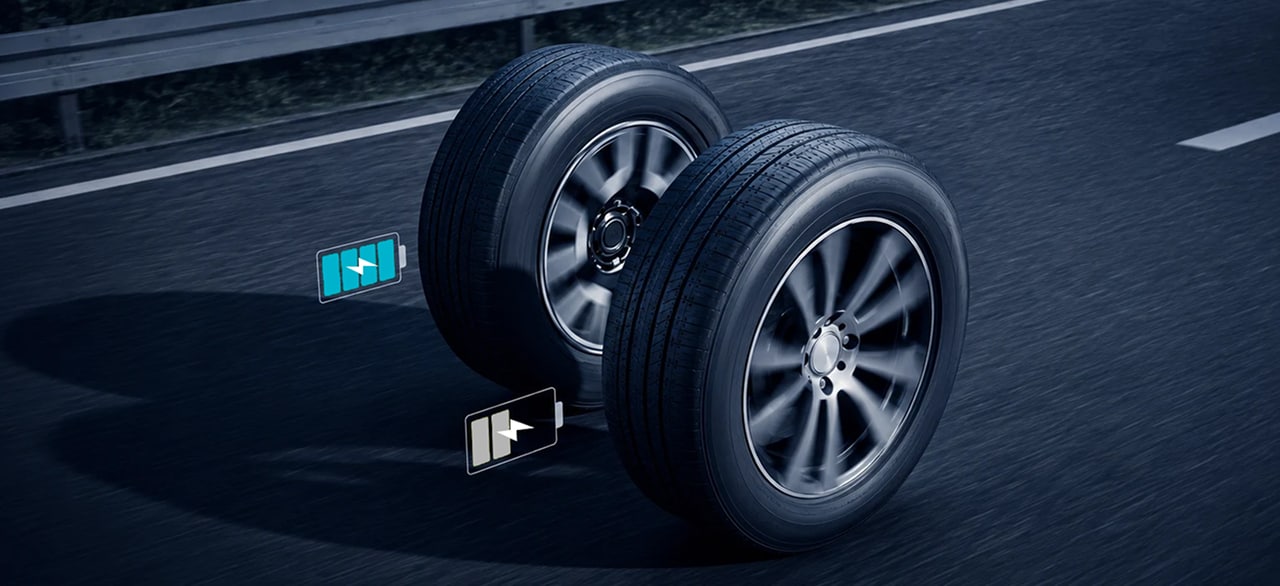
EV battery weight can increase vehicle load, making the correct tire load rating particularly important.

Electric vehicle
Gasoline-powered vehicle
Check your vehicle manufacturer's recommended tire size and load rating before choosing a replacement tire.
02
Driving Range and Rolling Resistance
EV-specific tires are designed to minimize rolling resistance, which can help reduce energy loss while driving and support driving range.
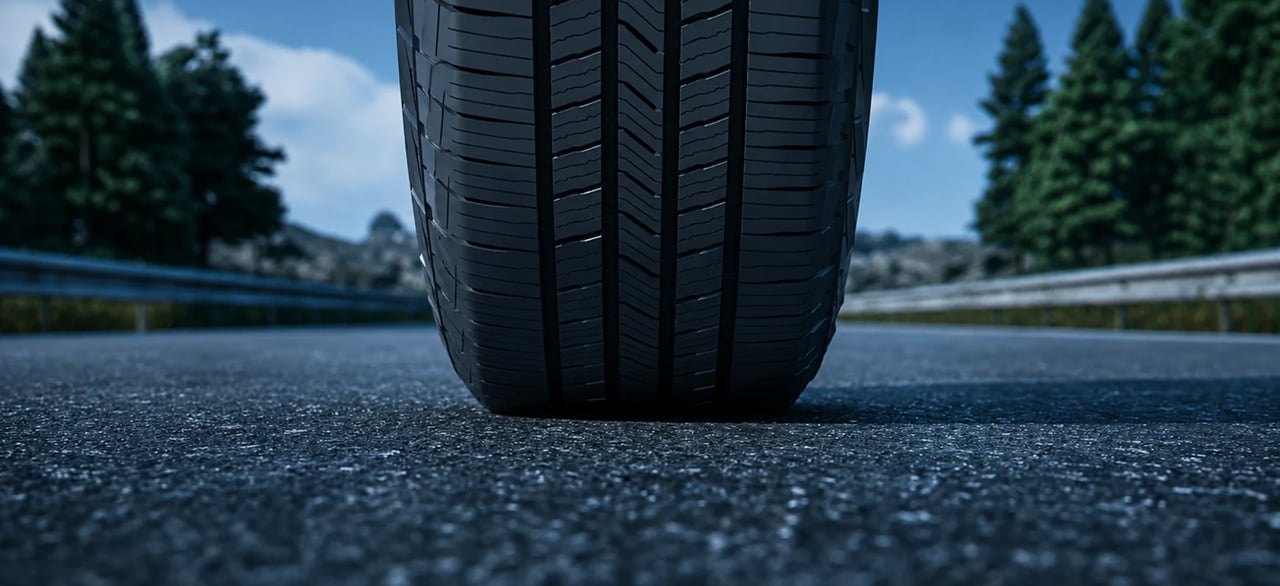
How rolling resistance affects EV efficiency
-
 Lower rolling resistance
-
 Less energy loss
-
 Greater driving efficiency
Lower rolling resistance can help reduce energy loss as a tire rolls, which can support vehicle efficiency and driving range.
Source U.S. Department of Energy (DOE) Oak Ridge National Laboratory (ORNL)
The Detail
Hankook iON's i Extreme Lightness technology is designed to help improve energy efficiency through weight optimization and reduced rolling resistance.
Source Hankook Tire - iON
03
Noise and a Quiet Cabin
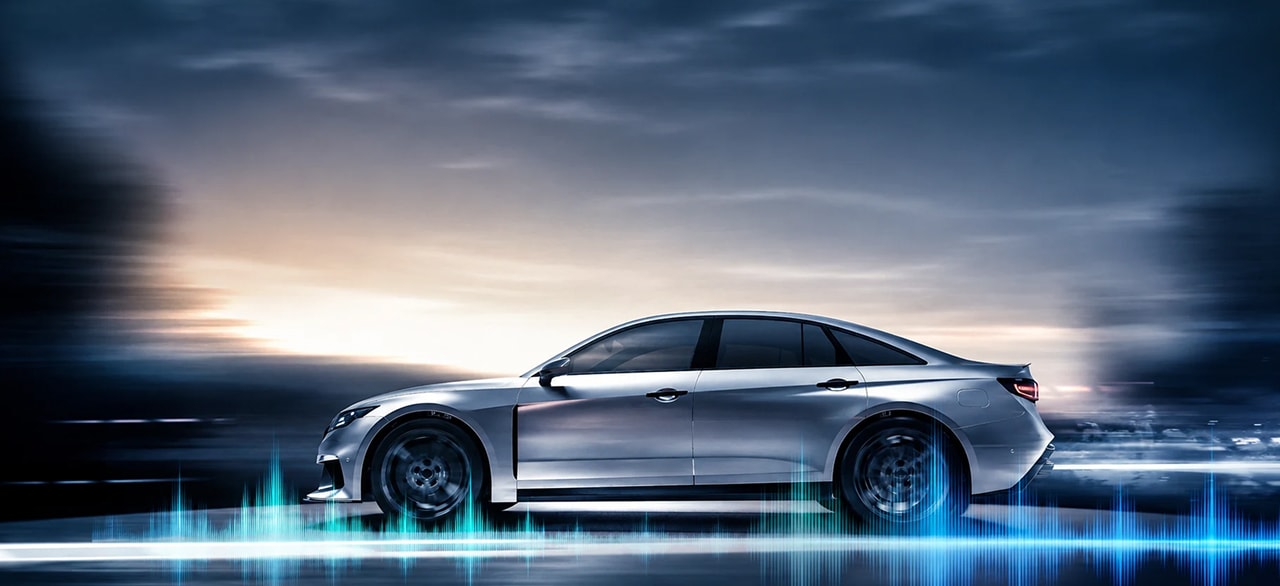
Because electric vehicles produce little to no engine noise, tire cavity noise and road noise can become more noticeable inside the cabin. Some EV tires apply sound-absorbing foam and noise-reducing tread technologies to help minimize these sounds.
The Detail
Hankook iON's i Sound Absorber technology combines sound-absorbing material inside the tire with a noise-optimized tread pattern to help reduce tire cavity noise and provide a quieter ride. i Sound Absorber uses a sound-absorbing foam applied inside the tire to reduce tire cavity noise by up to 9 dB, helping create a quieter cabin.
Source Hankook Tire - iON
04
Immediate Torque and Tread Wear
Electric motors can deliver immediate torque when the accelerator is pressed, while the additional weight of an EV can place greater demands on its tires. Combined with certain driving styles, these characteristics may contribute to increased tire wear. EV-specific tires are designed to address these demands, with technologies that support durability, distribute contact pressure more evenly, and help promote even wear.
When comparing tires, consider tread life and the manufacturer's mileage warranty. A mileage warranty indicates the scope of the manufacturer's warranty coverage, but does not guarantee the actual service life of a tire. Actual mileage may vary depending on the vehicle, tire size, road conditions, driving habits, and maintenance.
How torque and weight affect tire wear
-
 Instant torque
-
 Battery weight
-
 Tire wear from greater stress
Tire wear can vary depending on tire design, vehicle characteristics and driving conditions.
Source Hankook Tire - iON technology and product information
The Detail
Hankook iON's i Super Mileage technology incorporates Round Even Technology, which is designed to distribute contact pressure more evenly across the tire, helping reduce uneven wear and support more uniform tread wear.
Mileage Warranties for Select Hankook iON Products
Mileage warranty provides a reference for the manufacturer's warranty coverage and does not guarantee the actual service life of a tire. Actual mileage may vary depending on vehicle, tire size, road conditions, driving habits and maintenance.
| Product | Mileage Warranty |
|---|---|
| iON evo AS | 55,000 miles |
| iON evo | 30,000 miles |
| iON i*cept | 30,000 miles |
| iON HT | 80,000 miles |
Can You Put Regular Tires on an EV?
Yes. A regular tire can be used on an electric vehicle as long as it meets the size, load index, speed rating and any other specifications required by the vehicle manufacturer.
However, a tire that has not been optimized for EV use may perform differently in areas such as driving range, cabin noise, and tread wear. If your vehicle requires XL (Extra Load) or HL (High Load) tires, make sure the replacement tire meets the required specification.
Ultimately, what matters is not simply whether a tire is labeled as an “EV tire,” but whether it meets your vehicle manufacturer's specifications and delivers the performance characteristics you need.
Which Tire Should You Choose?
EV-specific tires may be suitable for drivers looking for tire characteristics designed around EV considerations, such as load support, rolling resistance, noise, and wear performance.
Regular tires may also be suitable as long as they meet all specifications required by the vehicle manufacturer.
When choosing replacement tires, start with your vehicle manufacturer’s requirements for tire size, load index, speed rating, and any other specifications. Then compare the performance characteristics that matter most for your vehicle, driving conditions and priorities.
Ready to choose one? Explore our EV Tire Buying Guide for a step-by-step approach to finding the right tires for your electric vehicle.
Recommended Hankook EV Tires: The iON Range
Hankook iON tires are engineered around four technologies:
- i Sound Absorber — helps reduce tire noise for a quieter ride
- i Super Mileage — designed to distribute contact pressure more evenly, helping reduce uneven wear
- i Perfect Grip — designed to support grip and handling
- i Extreme Lightness — designed to reduce tire weight and rolling resistance
-
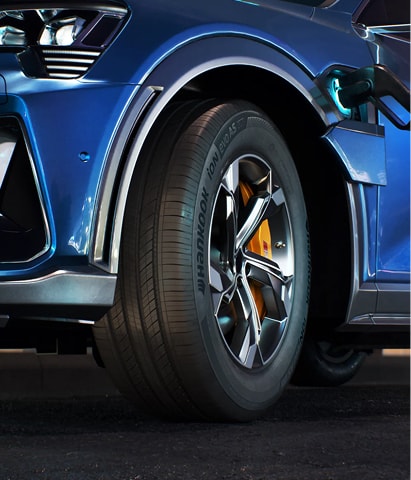

All-season
All-season performance for everyday driving
See full product details -
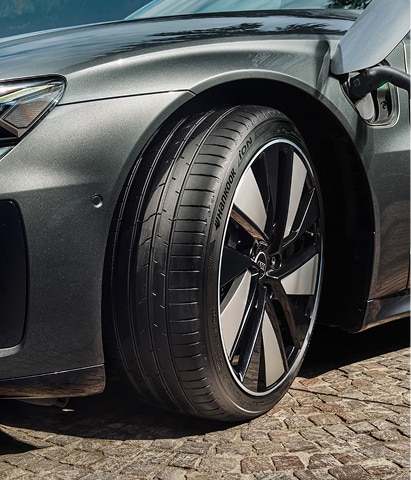

Summer
Summer performance for high-performance electric vehicles
See full product details -
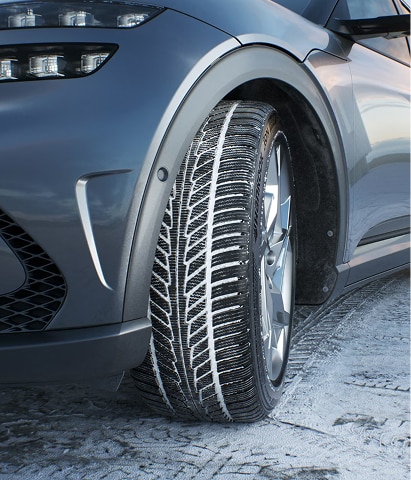

Winter · 3PMSF
Winter performance with the 3PMSF symbol
See full product details
Watch: iON | Why Are EV Tires Different from Regular Tires?
Electric vehicles place unique demands on tires due to their heavier battery-related load and electric powertrain characteristics. EV-specific tires are designed to address these demands through features focused on load capacity, low noise, mileage, grip, and energy efficiency, helping support the performance and driving characteristics of electric vehicles.
Frequently Asked Questions
-
Q1. Can I put EV tires on an internal combustion engine vehicle?
A. Yes. As long as they meet the size, load index, speed rating, and other specifications recommended by the vehicle manufacturer, EV tires can also be used on an internal-combustion-engine vehicle. Because EV tires are engineered to address factors such as higher loads, immediate torque, and reduced cabin noise, their construction and performance characteristics may also be suitable for conventional vehicles.
-
Q2. Do new electric vehicles come with EV-specific tires from the factory?
A. Many do. Vehicle manufacturers often work with tire manufacturers to develop original equipment (OE) tires around the performance requirements of a specific vehicle. When it is time to replace the original tires, choosing the same OE tire or another tire that meets the vehicle manufacturer's specifications and is engineered for EV performance can help preserve the balance of driving range, quietness, handling and tread life intended for the vehicle.
-
Q3. Can I use EV tires and regular tires together on an electric vehicle?
A. Mixing tires with significantly different constructions or performance characteristics is generally not recommended. Differences in grip, tread wear and handling characteristics can affect overall vehicle performance. For replacement requirements, including whether two or four tires should be replaced, follow the vehicle manufacturer's recommendations and ensure that tire size, load index, speed rating and other required specifications are met.
References
- NHTSA TireWise Tire selection, size, inflation pressure and maintenance
- 49 CFR §571.110 Tire selection and rims; tire size and vehicle load requirements
- U.S. Department of Energy (DOE) Tire rolling resistance and vehicle efficiency
- Oak Ridge National Laboratory (ORNL) Electric vehicle tire efficiency research
- Hankook Tire US - iON EV tire technologies and product information
- USTMA Tire safety and winter tire information
-
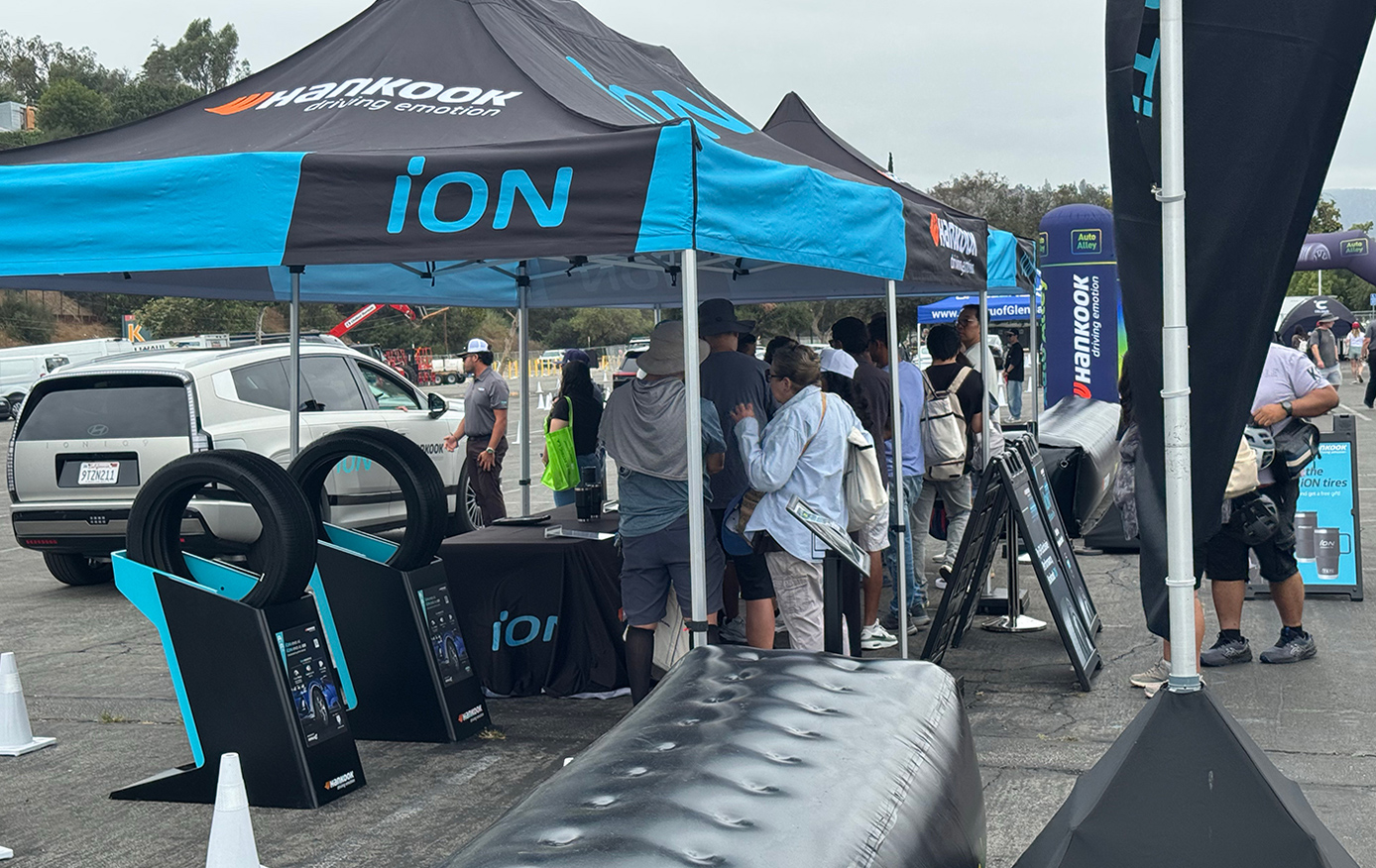
Hankook Tire Powers EV Strategy at Demo Days Bay Area
-
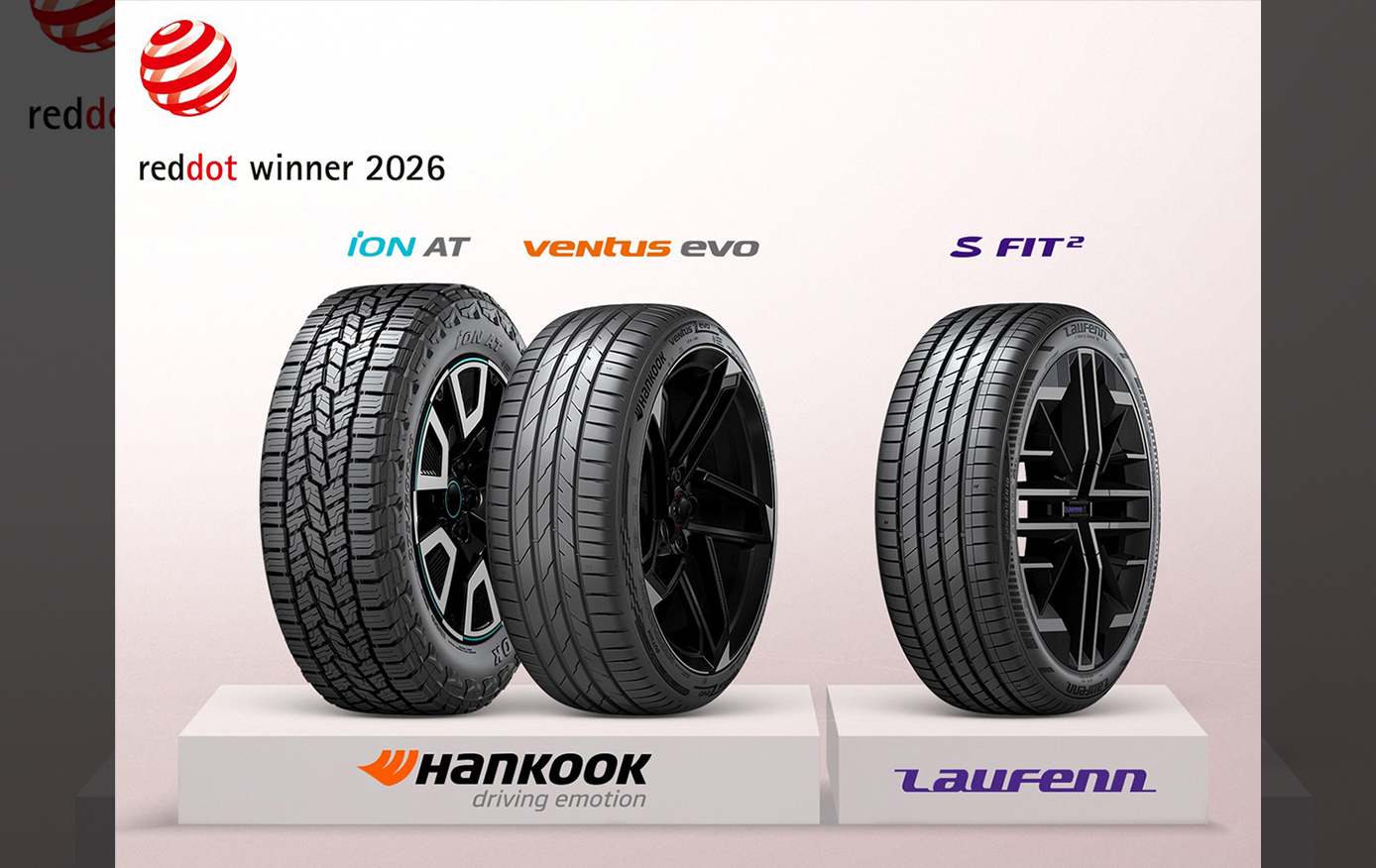
Hankook Tire Wins Three Awards in the Product Design Category at the ‘2026 Red Dot Design Award’
-
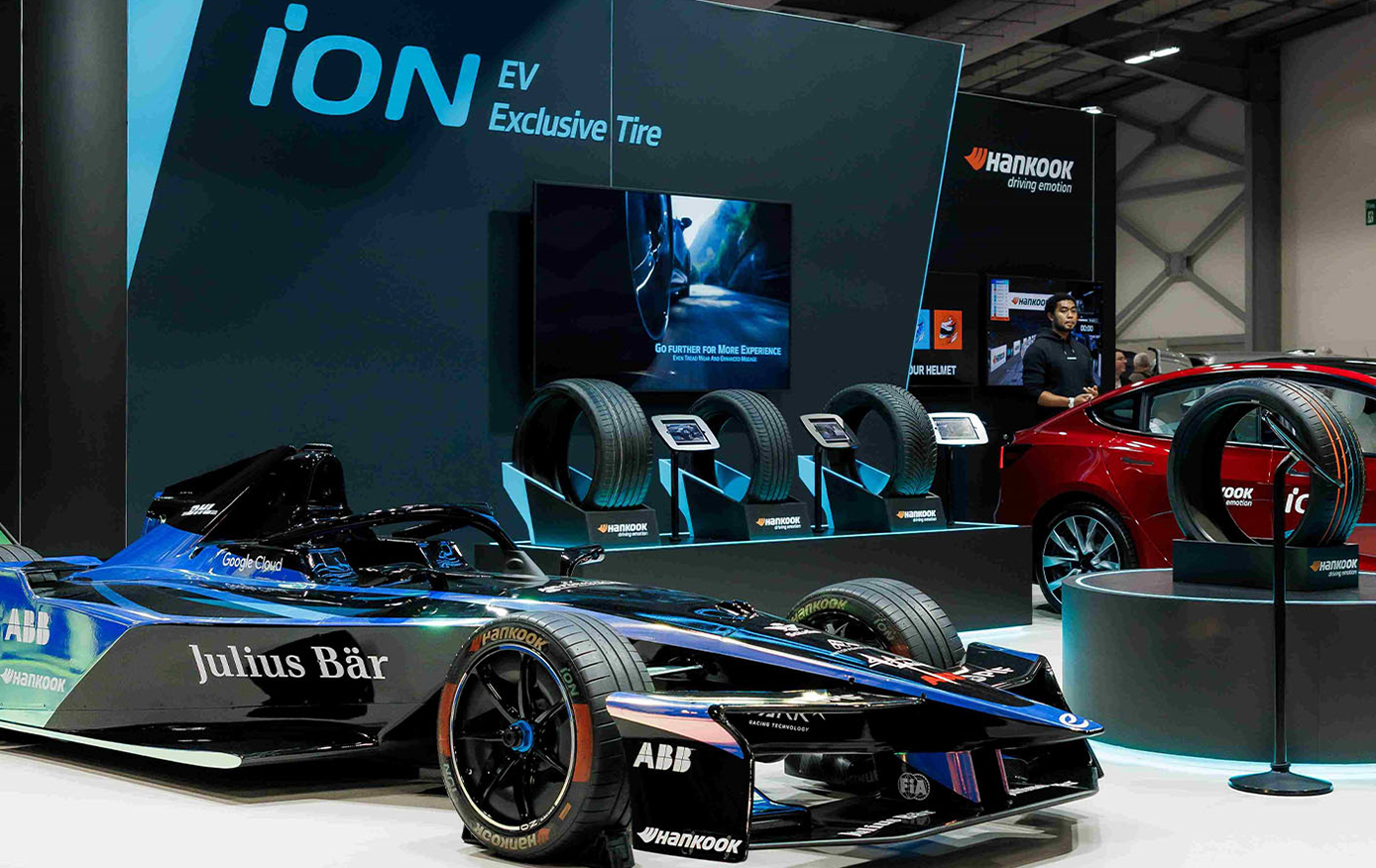
Hankook Tire to Participate in ‘Everything Electric UK 2026’
-
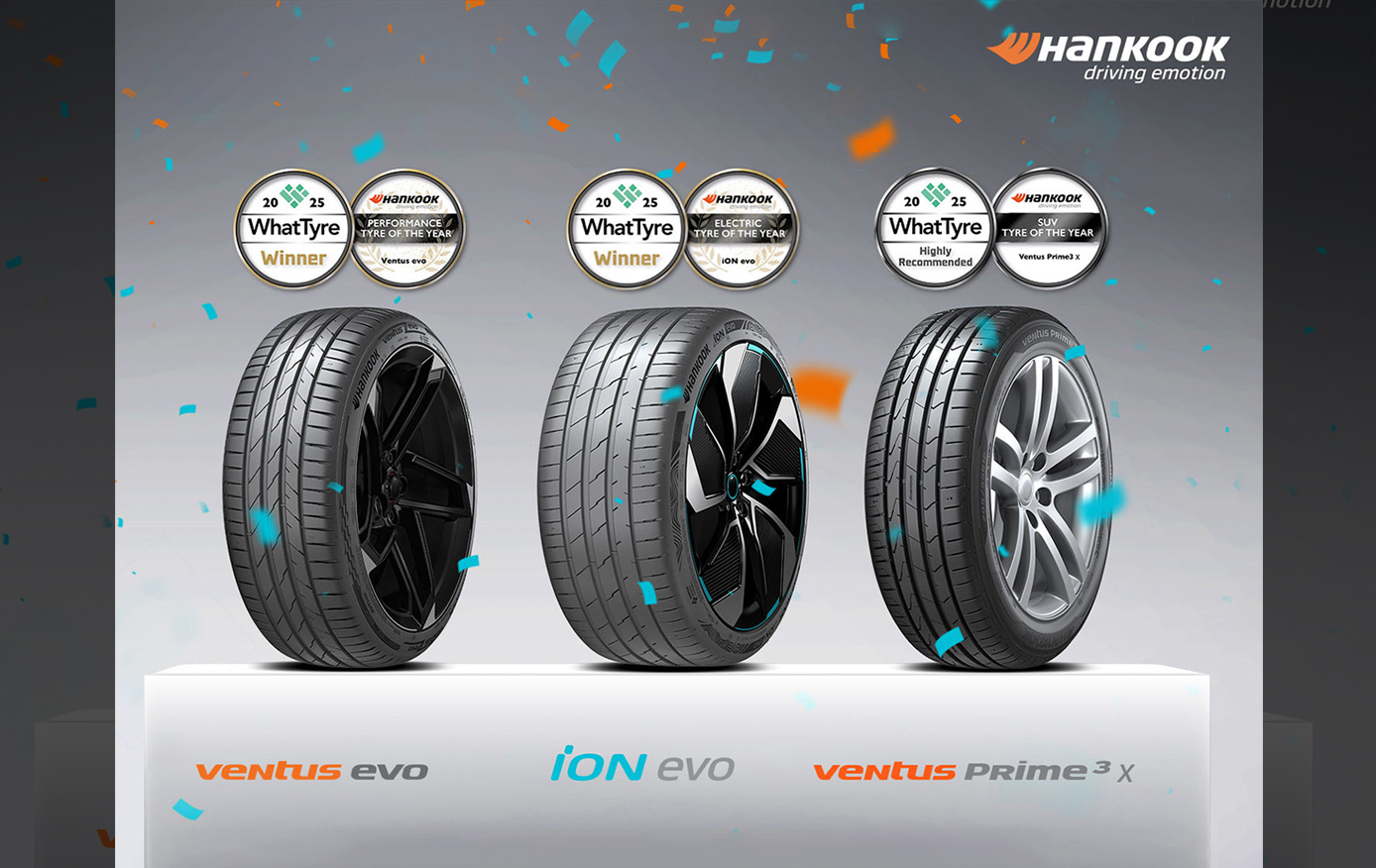
Hankook wins “Performance Tire of the Year” and “Electric Tire of the Year” Awards in the 2025 WhatTyre Awards